
Mastering Visual Trichome Evaluation: The Science of Peak Harvest Timing
Determining the exact moment to harvest is the most critical decision a cultivator makes. While many growers rely on the changing color of “pistils” (the hairs on the bud), the most accurate data is found in the microscopic structures known as tricomes.
Visual trichome evaluation allows you to peek into the plant’s chemical factory to see exactly when cannabinoid and terpene concentrations have reached their peak. Here is how to use visual cues to maximize your harvest quality.
Why Visual Evaluation Beats the “Guessing Game”
While a laboratory Certificate of Analysis (COA) is the gold standard for measuring potency, it is often too slow and expensive for daily monitoring. By performing a visual inspection, you can:
-
Identify the peak concentration of secondary metabolites.
-
Avoid harvesting “empty” or overripe flowers.
-
Determine the perfect window to send samples for formal testing.
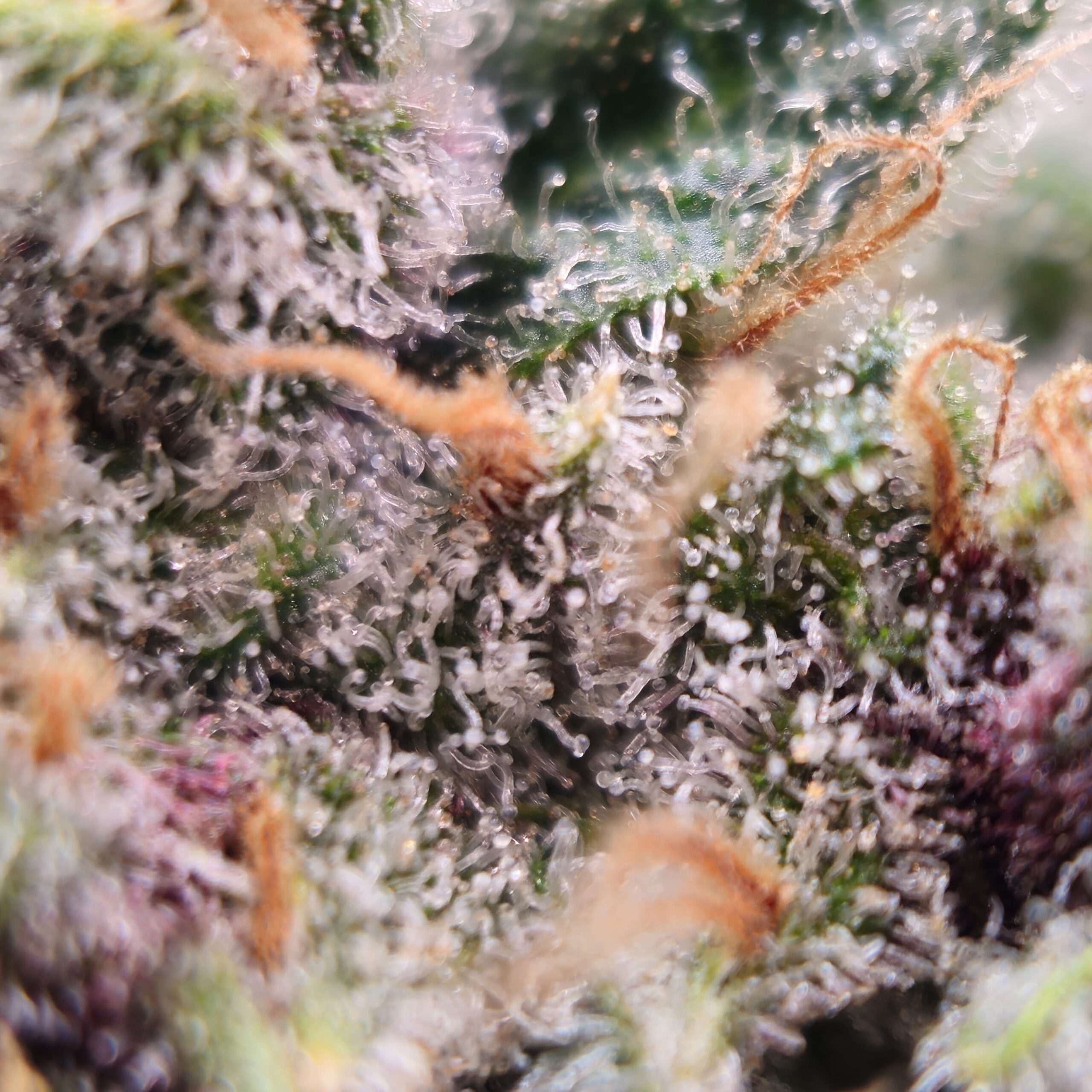
Identifying the Three Types of Trichomes
Not all trichomes are created equal. When evaluating your plants, you will encounter three distinct structures:
- Bulbous: The smallest structures, often requiring magnification to see. Though tiny, they do synthesize cannabinoids.
- Sessile: Slightly larger and typically develop early (around week 3 of flowering).
- Capitate-Stalked: These are the “prize” trichomes. They are large, visible to the naked eye, and contain the highest concentrations of oils. Because they are on long stalks, they are also the most fragile.
The Color Spectrum: Clear, Cloudy, and Amber
The secret to peak harvest lies in the color of the resin stored in the secretory disc cells at the top of the trichome head.
1. Clear Trichomes (The “Not Ready” Phase)
Clear trichomes are essentially “empty.” They have not yet filled with the peak levels of cannabinoids or terpenes. Harvesting now will result in a product with lower potency and limited flavor.
2. Cloudy/Milky Trichomes (The “Peak Potency” Phase)
As the plant matures, the resin turns from clear to a milky white. This transition signals a massive increase in cannabinoid production. This is the beginning of your harvest window.
3. Amber Trichomes (The “Ripening” Phase)
When trichomes turn amber, the compounds are beginning to convert or degrade into different forms (such as THC converting to CBN). This indicates the plant is becoming “overripe.”
Setting Your Harvest Strategy
For a general recommendation, the optimum harvest point is when you see mostly cloudy trichomes with the very first signs of amber.
-
Early Harvest (Mostly Cloudy): Often results in a more uplifting, “energetic” effect.
-
Late Harvest (More Amber): Often leads to a heavier, more “sedating” effect.
Professional Tips for Evaluation
-
Ignore the Pistils: While orange hairs are a good sign to start looking, always make your final decision based on the trichomes.
-
Look Beyond the Leaves: Focus your evaluation on the trichomes located on the calyx and bracts (the actual flower) rather than the “sugar leaves,” as leaves tend to ripen faster than the buds.
-
Use the Right Tools: A traditional jeweler’s loupe is effective, but digital handheld microscopes (like a Maxi camera) allow you to capture images and see the population as a whole on a screen.
-
Watch for Purple: In some genetics, like the Abacus strain, you may see purple coloration in the trichome stalks. This is a sign of anthocyanin production—a flavonoid that may offer additional therapeutic benefits.
By mastering visual trichome evaluation, you move away from guesswork and toward a data-driven harvest that ensures your hard work in the grow room translates into maximum quality in the jar.