
Confessions of a Data Addict:
We Found the Limit So You Don’t Have To
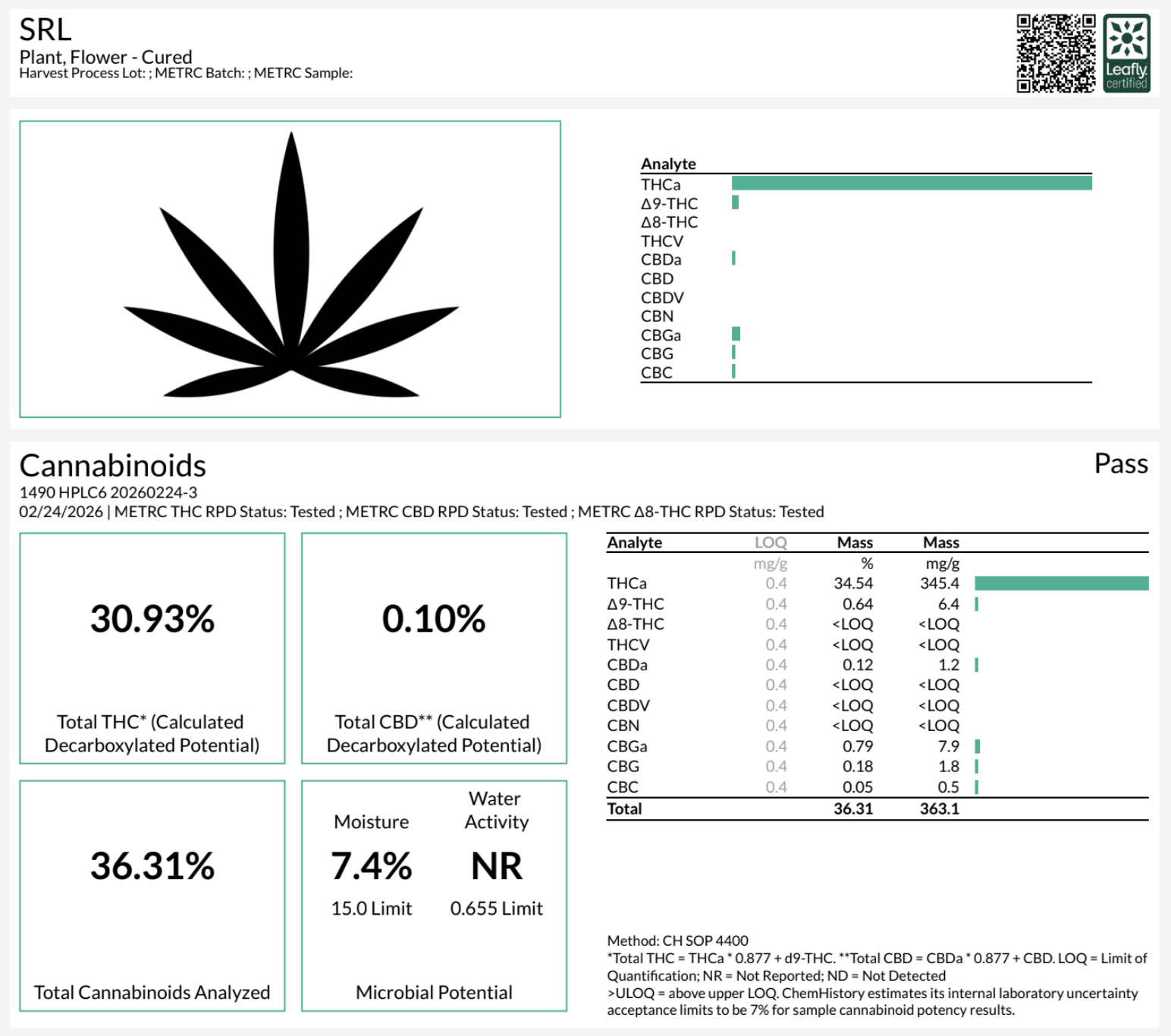
We took our Old Fashioned Sunshine, which was already crushing it at 30.94% THC in our baseline trial. Most folks would have called it a day and gone fishing, but we decided to see if we could “science” it into a higher gear.
The Experiment:
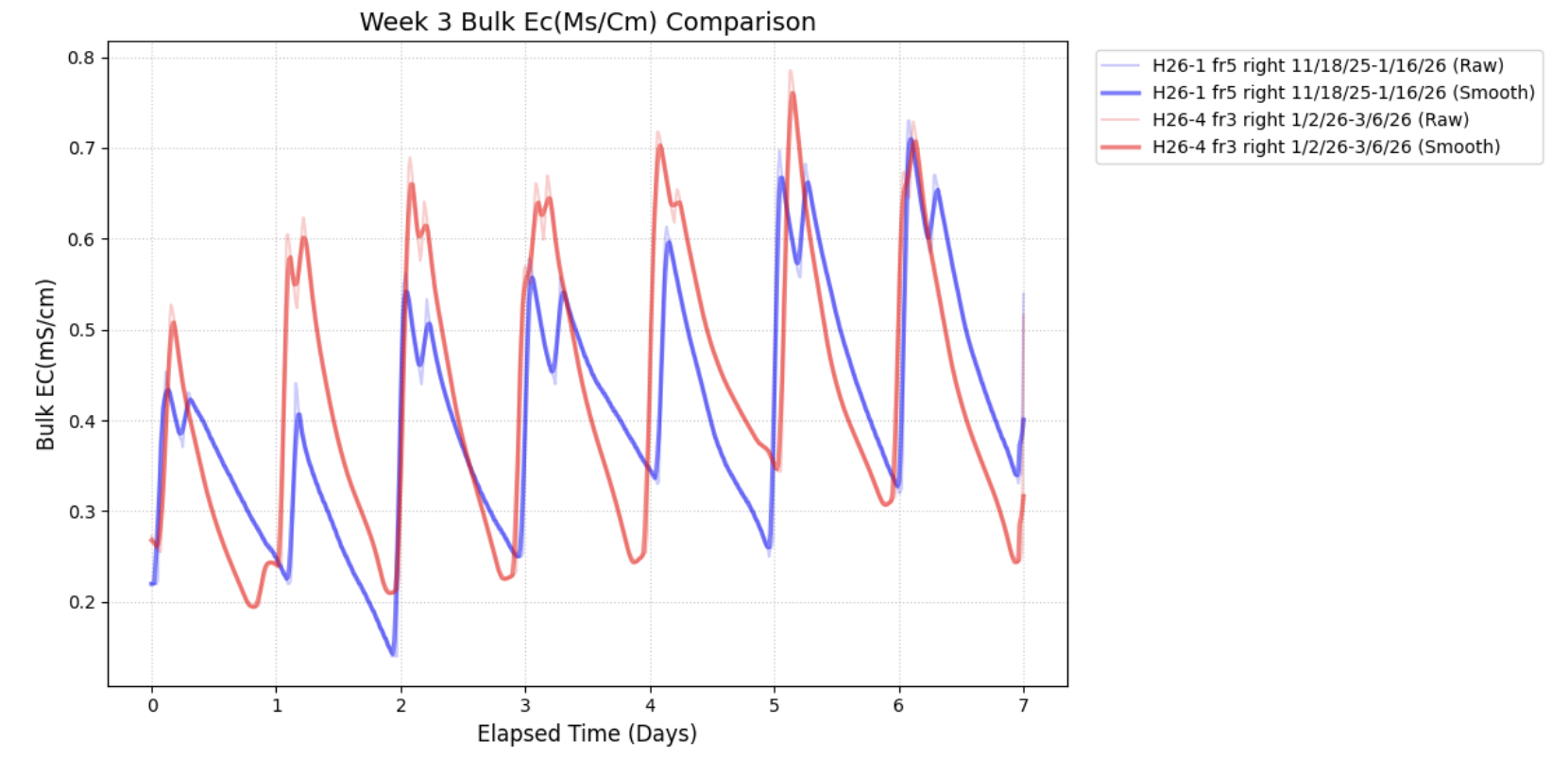
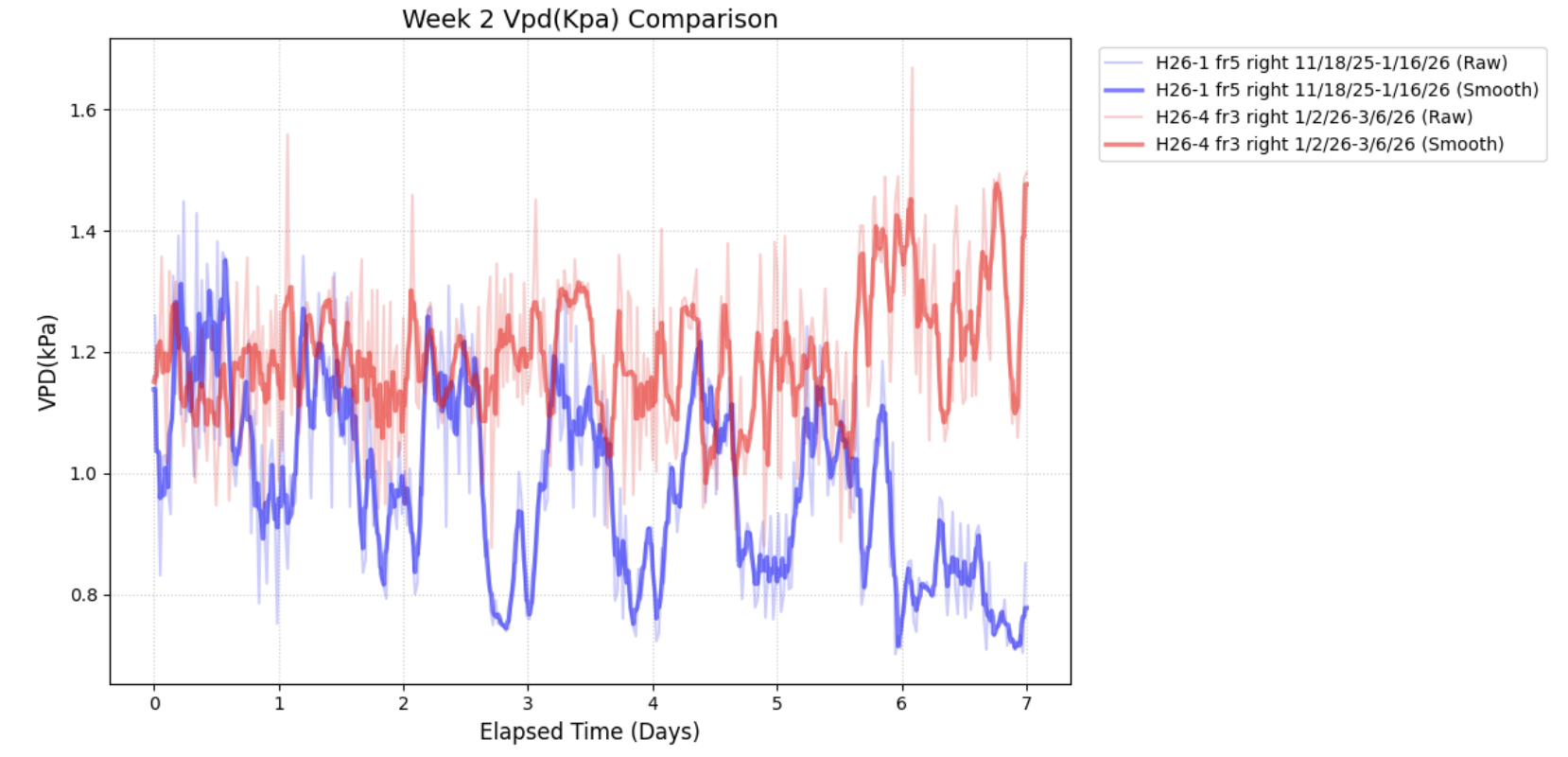
We wanted to see if the plant’s “epigenetic expression” would dance to a different tune if we changed the environment. We weren’t just guessing, either—we were watching every move through our AI visualization engine. Here is what we did:
The Root Zone Engine: Our main goal was to push the Bulk EC higher. We didn’t just want a salty drink for the roots (Pore Water EC); we wanted the whole engine running hot to see how much “fuel” the plant could actually handle.
The Atmosphere: We cranked up the Vapor Pressure Deficit (VPD) to a higher range. We wanted to put some serious atmospheric pressure on the plant to see if it would step up its metabolic game.
The Result: The Scale Loved It, the Lab Didn’t
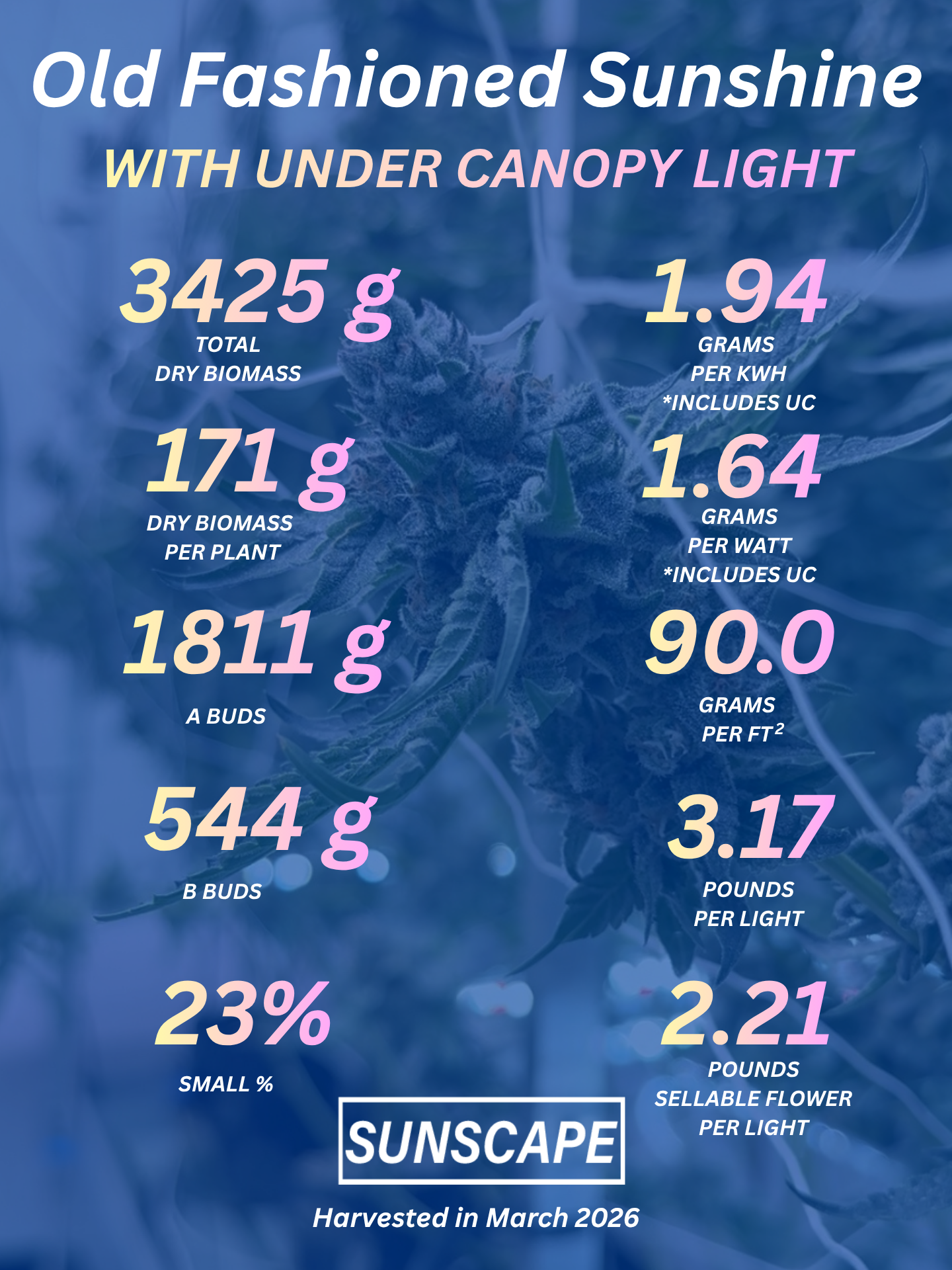
Here’s where things got wild. When we finished the harvest for this new group, we nearly fell off our stools. We got 37% more A-buds. That is not a typo. We grew a forest of top-tier, heavy flower. On the scale, it was a massive, undisputed victory.
But then the lab results came back.
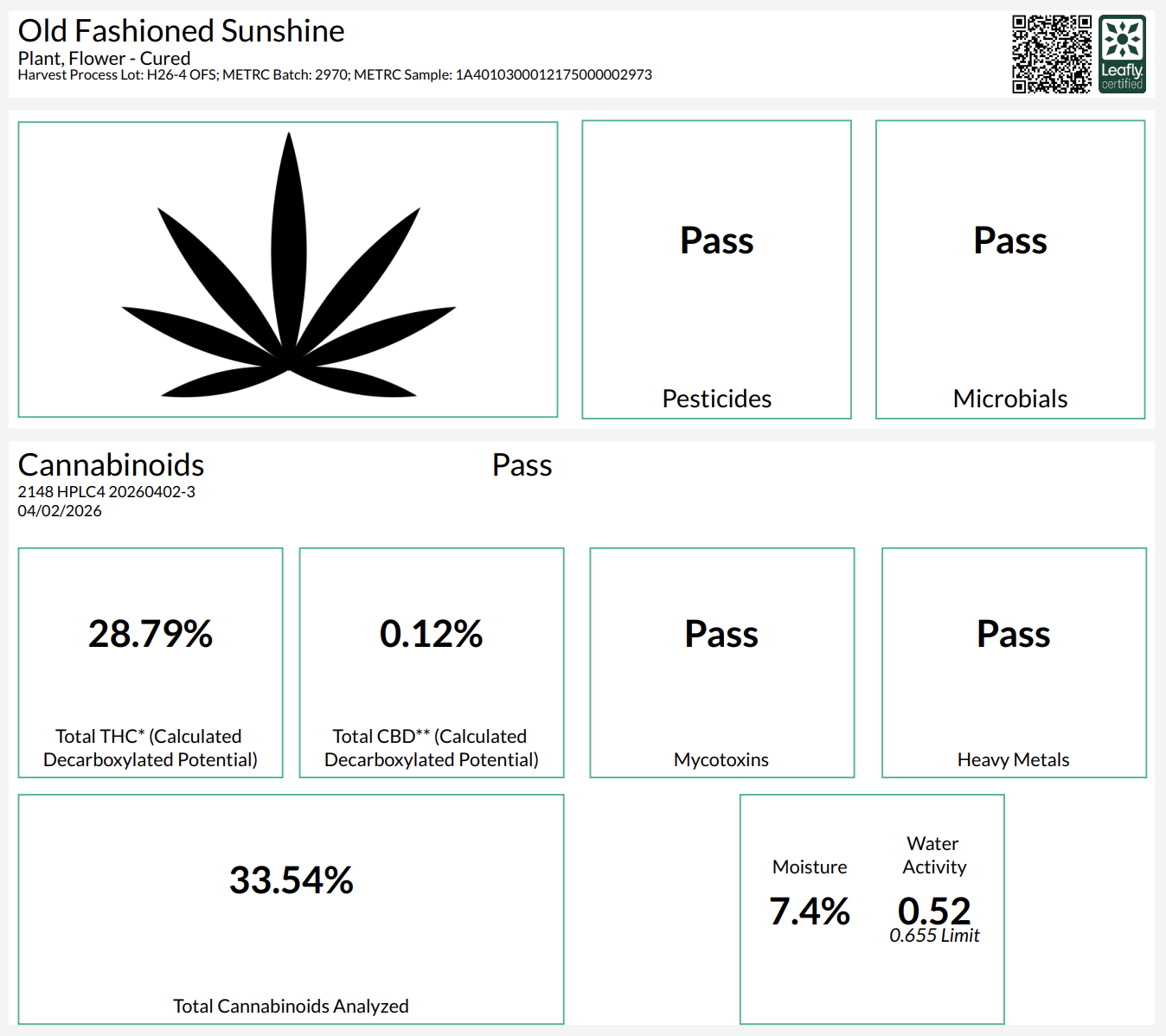
The THC hit 28.79%. Now, that is still a “top-shelf” result that would make most growers brag to their neighbors, but compared to our 30.94% baseline? It was a measurable drop in potency.
We found the “redline” where the plant traded some of its punch for a whole lot of extra muscle.
Now, Why Did That Happen?
Did we push the yield so hard that the plant didn’t have the energy left to finish the resin? Did that 41% extra biomass “dilute” the cannabinoids? Or did the high-pressure VPD hit a limit we didn’t see coming?
Honestly? We’re still studying exactly why this happened with these new strains. Most companies would bury a “quality drop” in the compost pile faster than a bad potato and just talk about the 41% yield jump. But we trust our data. Those AI visualizations and environmental logs are the “black box” of the flight—they tell us exactly what the plant was feeling when the potency dipped. We aren’t guessing; we’re investigating.
In this industry, everyone tells you that you have to choose: do you want a “heavy hitter” (high yield) or a “connoisseur flower” (high quality)?
We don’t buy it. We believe that with enough data and a little bit of plant-whispering, you can have both. That is our “Holy Grail”—the 40%+ yield increase and the 30%+ THC score.
We haven’t been sitting around staring at our charts, either. We have already started two more trials to solve this puzzle. We’re digging back into that Bulk EC engine and our VPD timing to see if we can get the scale and the lab to finally agree.
Why This Matters for the Future of Cultivation
We’re doing the “mad scientist” work now so that when you build your facility, you don’t have to choose between a full bin and a top-shelf test result. We’re finding the exact environmental blueprint that delivers the “Holy Grail” of cultivation without the guesswork.
If you want to see the live data from our two newest trials or see the AI visualizations that are currently keeping our engineers up at night, come visit the team in Salem. We’ll show you why a partner who admits their mistakes is the only partner that will actually help you win.