
Spectrum Tuning: Unlocking Cannabis Flower Performance at the Biological Level
Spectrum tuning is one of the most talked-about—and least understood—topics in cannabis cultivation.
Many LED lighting companies rely on vague claims like “full spectrum,” “plant-inspired,” or “NASA-level research” without demonstrating long-term cannabis production data to support those statements. Very few have grown cannabis through full flowering cycles, across hundreds of genetics, under strict regulatory oversight, and for long enough to truly understand how light shapes plant biology.
SUNSCAPE has.
For eight consecutive years, under a licensed recreational cannabis program in Oregon, SUNSCAPE has cultivated cannabis through thousands of flowering cycles. Across more than 500 genetics, seven independent grow chambers, and hundreds of full trichome and quality assessments, our focus has remained consistent:
Which light spectrums reliably activate the biological processes that drive elite flower quality?
The answer is not visual. It is molecular.
Light Is a Signal — Not Just an Input
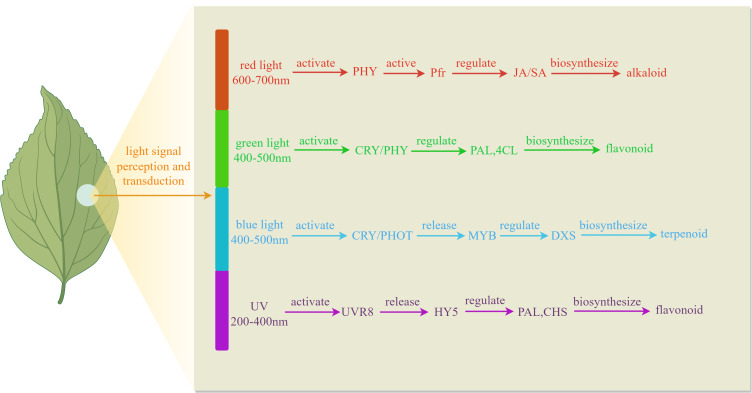
Cannabis does not respond to light based on brightness or color alone. Light functions as a biological signal, triggering internal protein pathways that regulate growth, structure, and secondary metabolite production.
When spectrum is improperly designed or applied without biological context, these internal systems remain under-expressed—limiting trichome density, resin maturity, and finish quality regardless of your PPFD or nutrient strategy.
SUNSCAPE’s long-term research identified repeatable links between specific spectrums and specific protein-level responses, consistent with validated academic work (including research by Professor Bruce Bugbee). These relationships were further verified through SUNSCAPE Innovation Center trials in real production facilities.
This is where generic spectrum advice fails.
Transcription Factors: The Master Switches Behind Trichomes
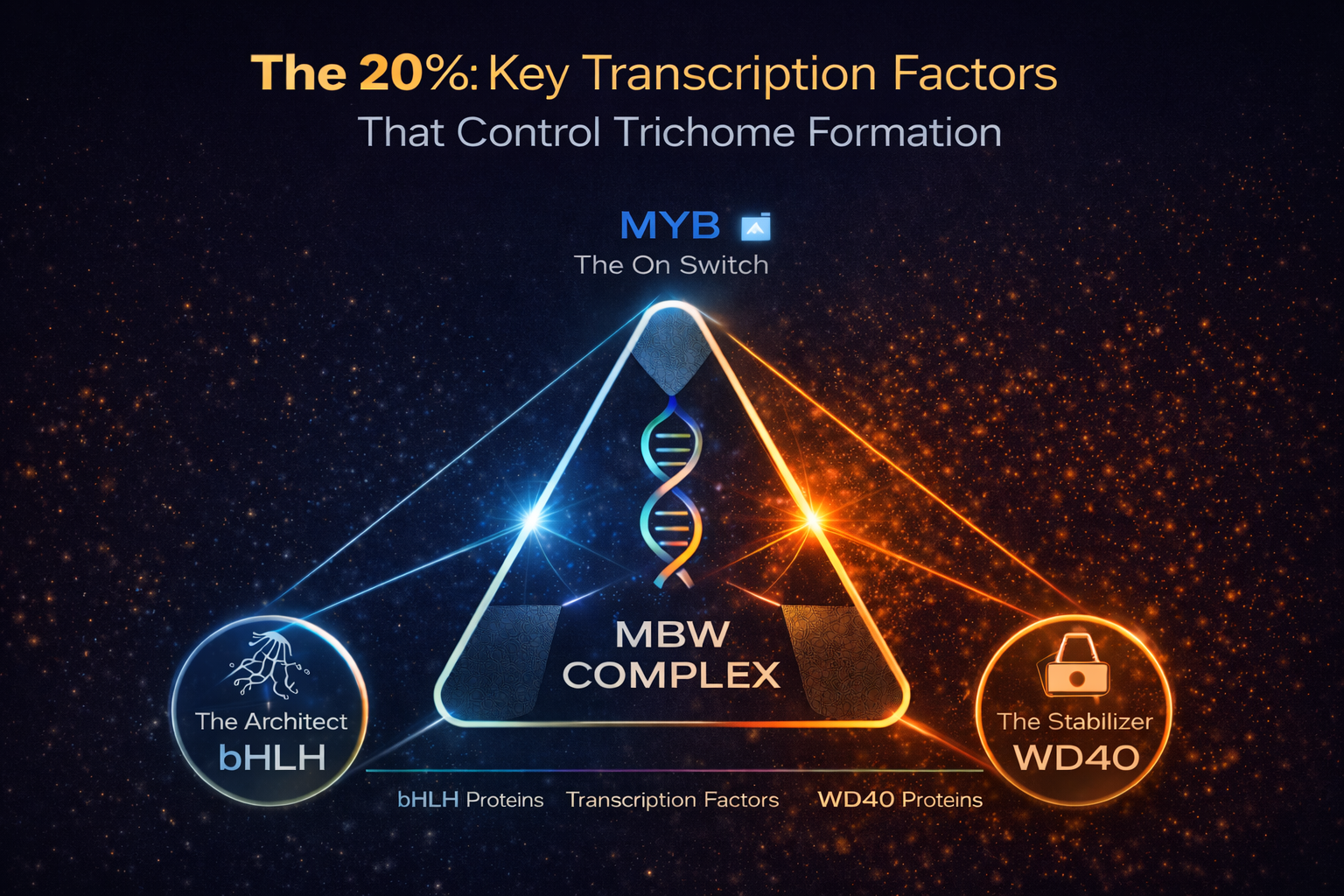
At the center of trichome development are transcription factors (TFs)—regulatory proteins that act as biological “master switches.” Transcription factors control which genes are activated, how strongly they are expressed, and how long those processes remain active.
In cannabis flower, several TF families are directly involved in:
-
Glandular trichome initiation
-
Epidermal cell differentiation
-
Trichome structure and maturation
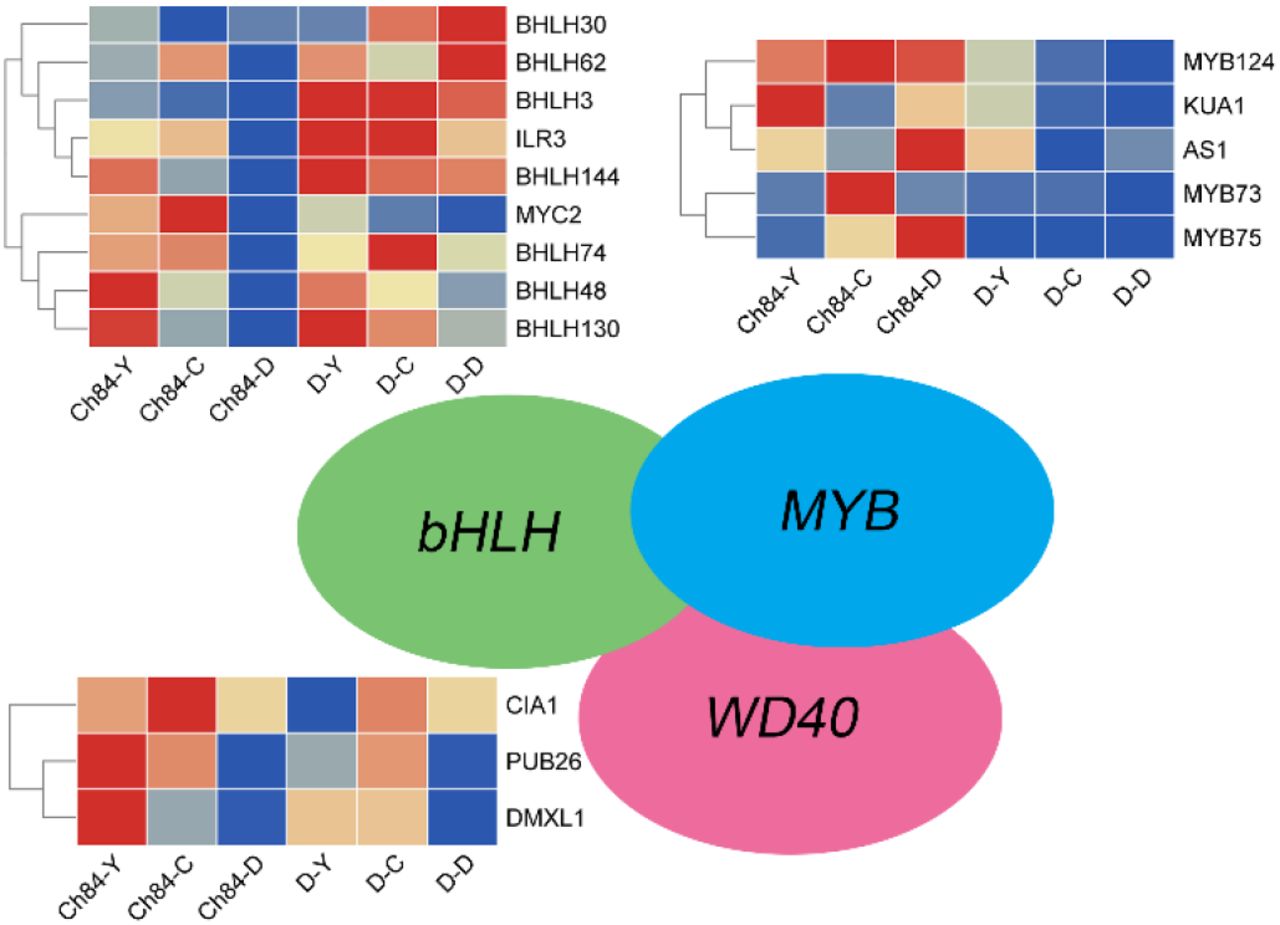
One of the most important regulatory systems is the MYB–bHLH–WD40 axis, often referred to as the MBW complex. This cooperative network governs how trichomes form, branch, and mature throughout the flower cycle.
When these transcription systems are properly engaged, plants allocate more energy toward resin production and trichome development, rather than just floral mass.
The Bottom Line: What most lighting discussions overlook is that light spectrum directly influences the expression of these transcription factors. If the signal isn’t sent, the switch never flips.
Why Spectrum Precision Matters at the Transcription Level
Certain spectrums have been shown—across both academic literature and SUNSCAPE’s own cultivation data—to influence transcription pathways associated with trichome development. However, these responses are:
-
Stage-dependent (What works in Week 3 may fail in Week 7)
-
Dose-sensitive (More is not always better)
-
Environmentally influenced (Temperature and VPD play a role)
Improper application—adding blue or UV light too early, too intensely, or without metabolic recovery—can suppress these same pathways or trigger stress responses instead of productive expression.
This is why indiscriminate spectrum tuning often produces inconsistent results. Tuning only works when delivered as part of a coordinated biological system, not as isolated settings or static charts.
Spectrum Tuning Is a System, Not a Setting
High-performance cultivation is not achieved by simply copying a “recipe.” Transcription factors respond to patterns over time—how spectrum, intensity, and duration evolve across the flowering cycle.
SUNSCAPE spectrum tuning is designed to integrate with:
-
Flower stage biology
-
PPFD and DLI targets
-
Irrigation strategy
-
Environmental control
This is why SUNSCAPE does not publish generic spectrum charts. The performance advantage comes from how the spectrum is deployed, not just which wavelengths are present.
The knowledge exists. The pathways are proven. The results only appear when the key fits the lock.
Unlock the SUNSCAPE Performance Standard
Now that you understand how spectrum tuning influences cannabis at the transcription and protein level, book a discovery call with SUNSCAPE to unlock the SUNSCAPE Performance Standard.
Backed by eight years of licensed cultivation data, we have established stage-specific spectrum and PPFD frameworks aligned to 63- to 73-day flowering cycles across more than 500 genetics. Let us help you apply precision spectrum tuning—integrated with your irrigation and environmental strategy—to consistently activate the biological pathways that drive structure, yield, and trichome performance.
LinkReference
Ramsay, N. A., & Glover, B. J. (2005). MYB–bHLH–WD40 protein complex and the evolution of cellular diversity. Trends in Plant Science, 10(2), 63–70.
Yan, A., Pan, J., An, L., Gan, Y., & Feng, H. (2012). The responses of trichome mutants to enhanced ultraviolet-B radiation in Arabidopsis thaliana. Journal of Photochemistry and Photobiology B: Biology, 113, 29–35.
Livingston, S. J., et al. (2020). Cannabis glandular trichomes: a cellular factory for cannabinoid biosynthesis. Frontiers in Plant Science, 11, 554.
, , , Transcriptome and metabolome analyses reveal pathways associated with fruit color in plum (Prunus salicina Lindl.)